
Value Engineering: Smarter Trusses, Lower Costs
What Is Value Engineering for Trusses?
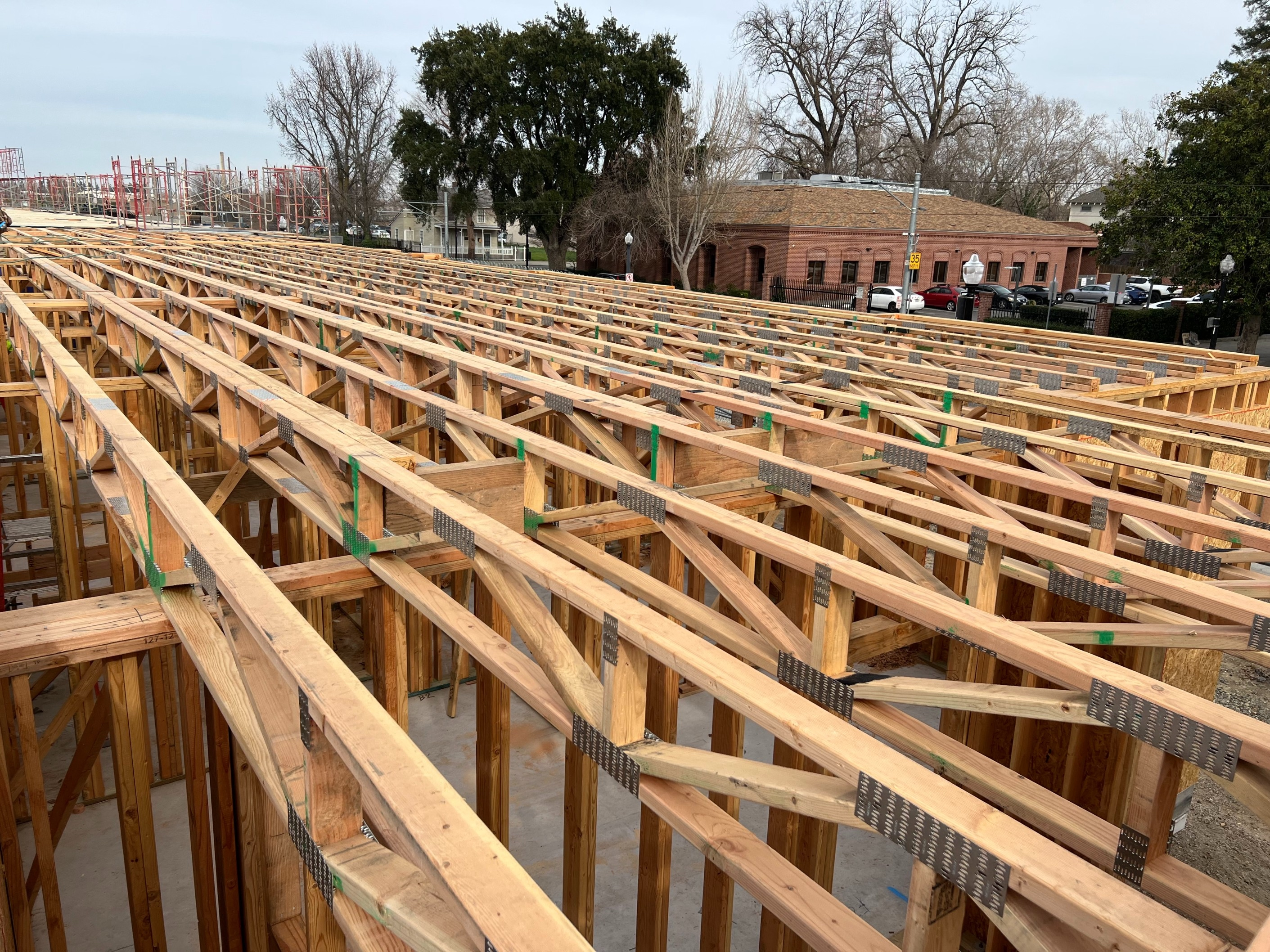
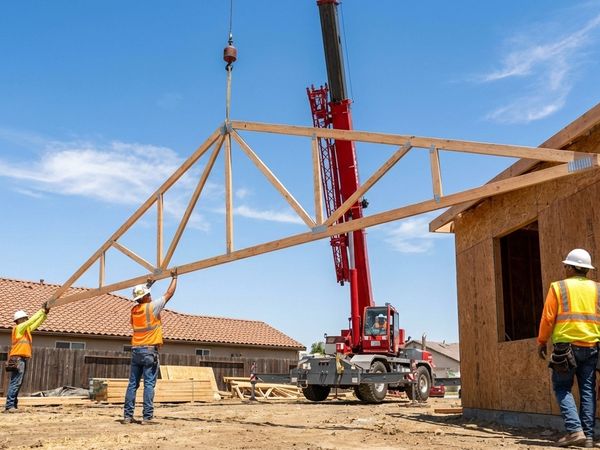
Value engineering is the process of analyzing a building design and finding ways to achieve the same structural performance with less material, simpler connections, or more efficient configurations. For trusses, this might mean adjusting truss spacing from 16 inches to 24 inches on-center, simplifying a complex hip roof into a more efficient configuration, or redesigning bearing points to eliminate expensive headers and beams.
The goal isn't to cut corners — it's to cut waste. Every board that doesn't need to be there is a board you don't need to pay for, transport, or install.
Where We Find Savings
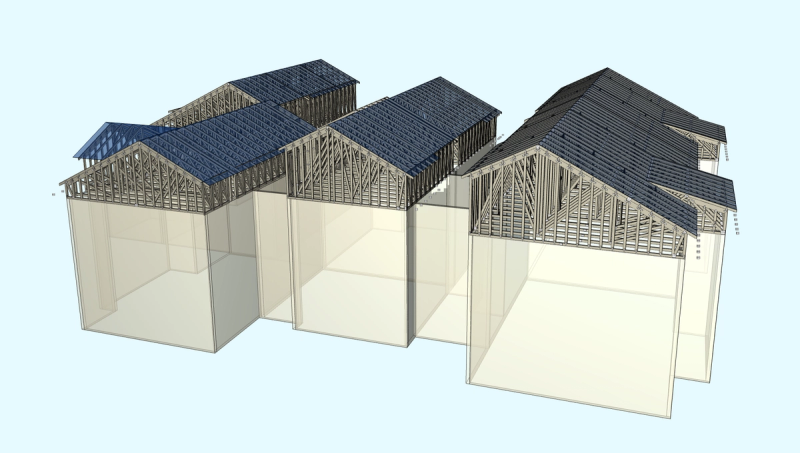
After 50 years and 10,154 projects, our engineering team knows where the savings hide. Common value engineering opportunities include: truss spacing optimization (moving from 16" to 24" OC where structural loads allow), bearing point relocation to eliminate expensive beams or headers, lumber grade optimization (using the right grade for each member instead of over-specifying), design simplification for complex roof intersections, and material substitution where Doug Fir lumber outperforms dimensional lumber at lower cost.
Real Savings on Real Projects
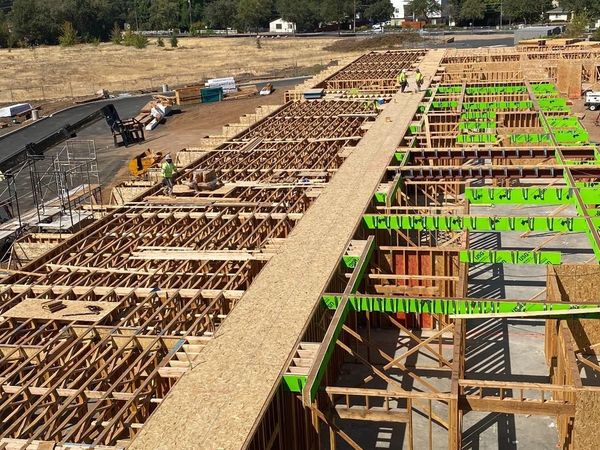
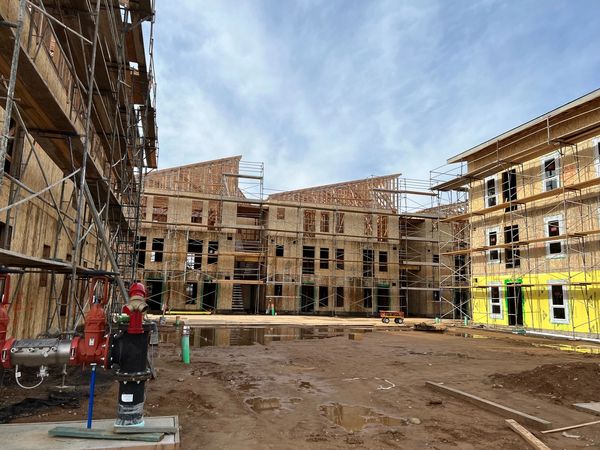
On a typical 2,500 square foot custom home, value engineering can save meaningful truss material and installation costs. On multi-family projects with repetitive units, savings compound across every building. On commercial projects with long-span requirements, value engineering the truss configuration can reduce material costs by 10–20%.