Open-Web Floor Trusses for Stronger, Quieter Floors
Why Builders Are Switching to Engineered Floor Trusses
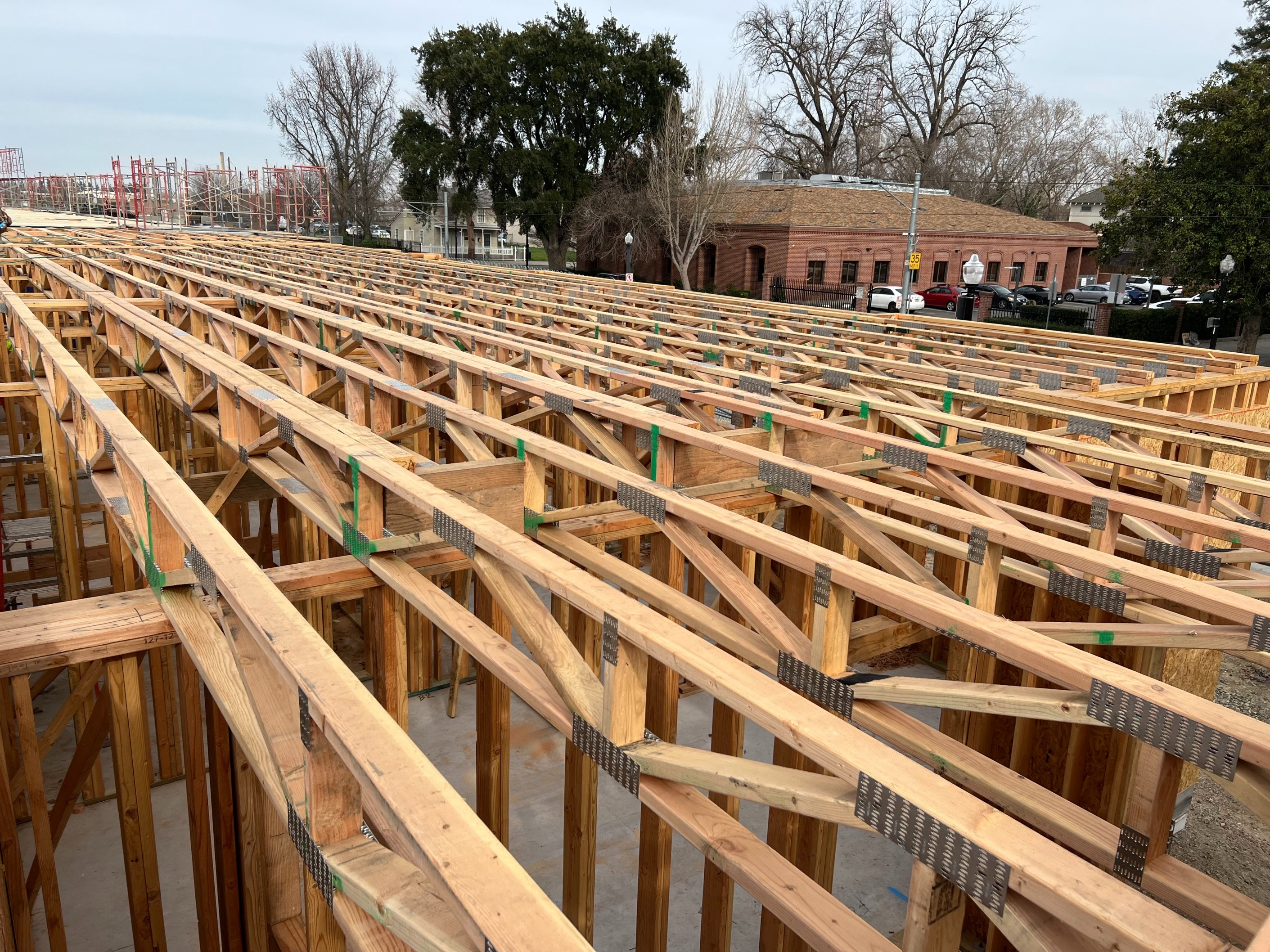
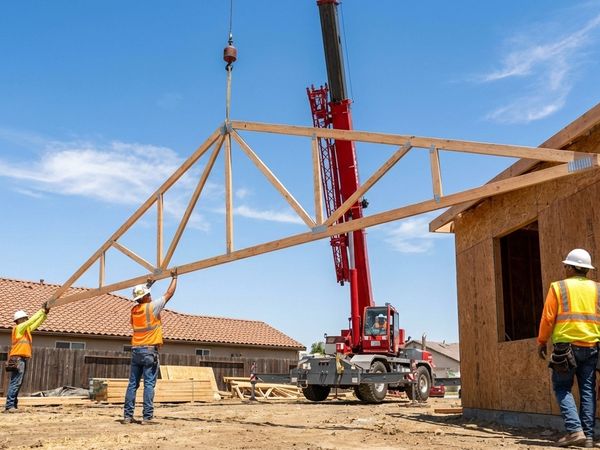
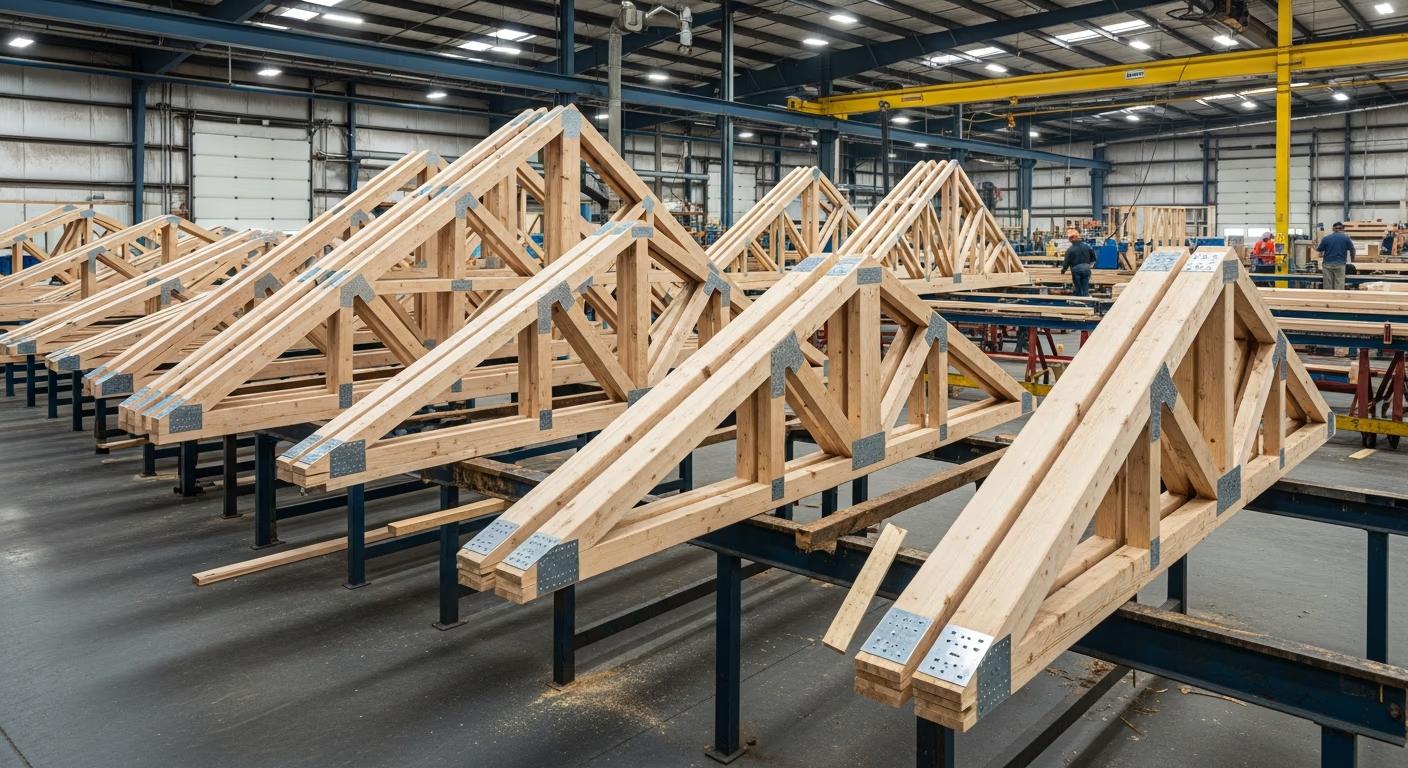
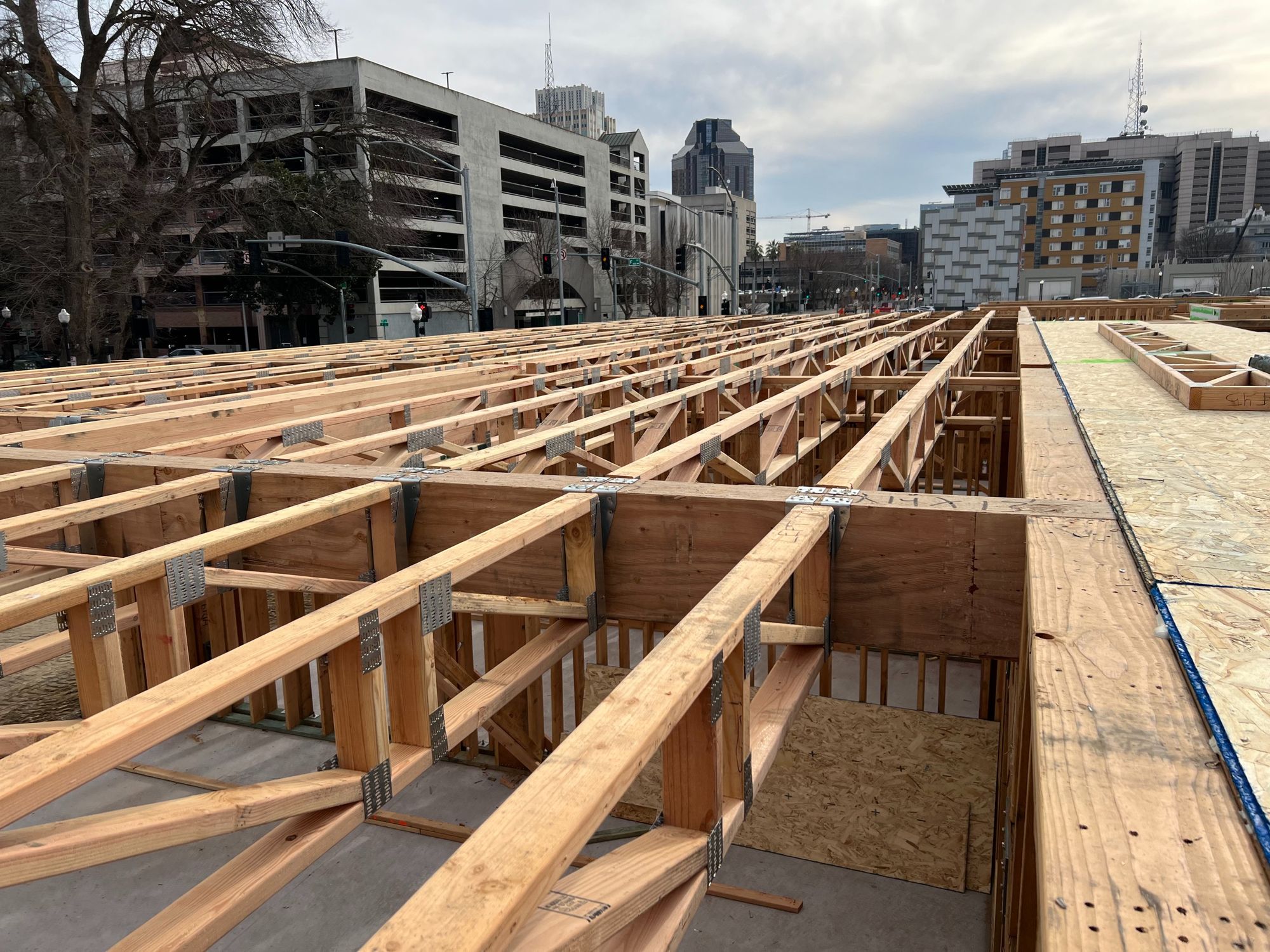
Traditional solid lumber joists have limitations: short spans, floor bounce, and no room for mechanical systems. Engineered floor trusses solve all three problems. Open-web design creates natural chases for plumbing, HVAC ductwork, and electrical runs. Longer spans eliminate the need for center bearing walls or beams. And the engineered design produces stiffer, quieter floors that don't bounce when you walk across the room.
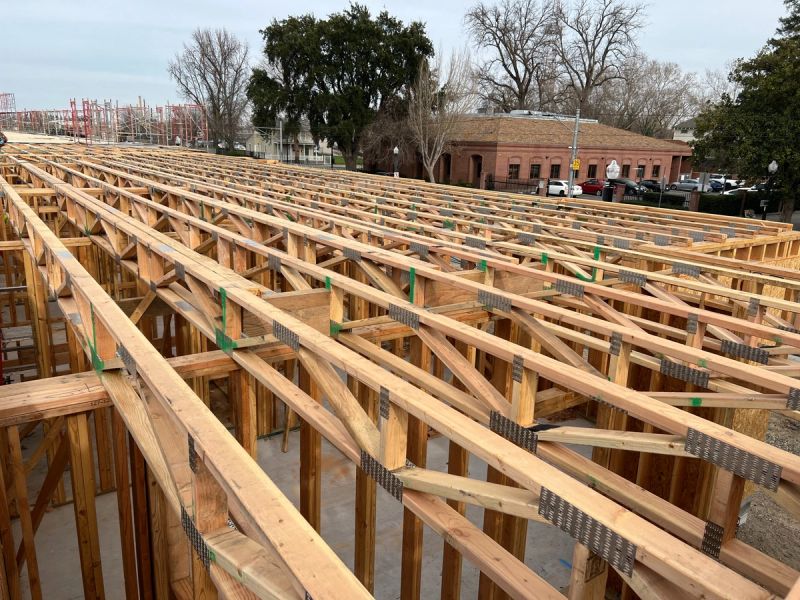
Floor Truss Applications
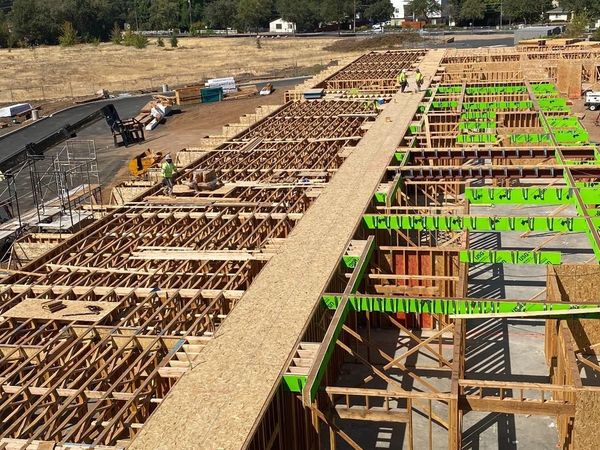
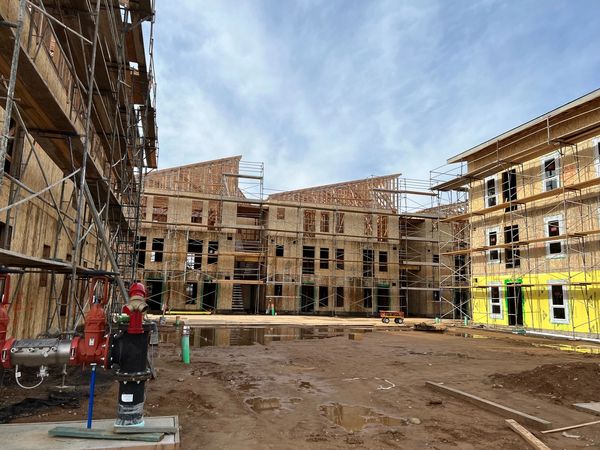
Two-story homes: floor trusses between the first and second floors provide stiff, quiet floors and easy mechanical routing. Multi-family buildings: floor trusses between units handle fire separation, sound isolation, and MEP routing. Commercial buildings: long-span floor systems for offices, retail, and mixed-use. Raised foundations: floor trusses over crawl spaces provide insulation space and plumbing access.
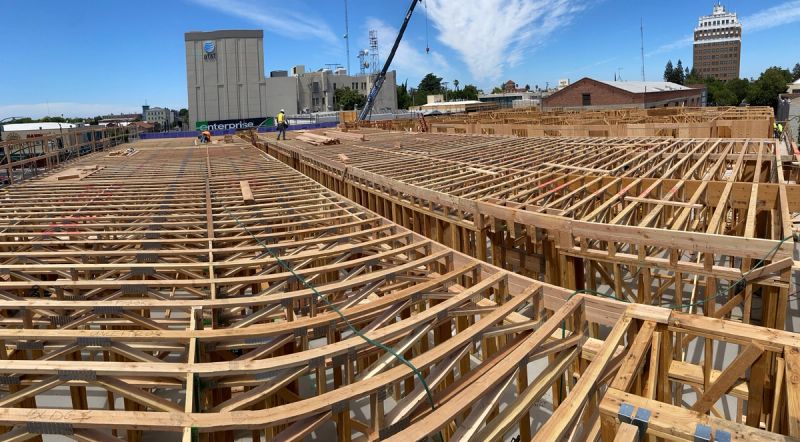
Open-Web Design Saves Your Trades Time
The biggest advantage of open-web floor trusses is what they do for your plumbing, HVAC, and electrical contractors. Instead of drilling holes through solid lumber joists — a time-consuming process that weakens the joist — your trades simply route their systems through the open webs. On a typical two-story home, this saves 8–16 hours of trade labor. On a multi-family project, the savings multiply across every unit.